What should your organization’s internal communication strategy look like?
The workplace we know today is different from what the earlier generations knew.
A few things have changed.
For starters, globalization has opened doors to overseas collaboration, making internal communication a borderless, proximity-defying affair.
Secondly, the pandemic has positioned the atypical working models of work-from-home, freelancing gigs, and hybrid hours as practical solutions.
A part of your team is working remotely; a few employees are even sitting in a different time zone, and you, as an HR manager or the communications officer, have to ensure seamless communication from the top-down to bottom-up and sideways.
You need to have an internal communication plan!
An internal communication plan helps coordinate the activities of every unit within a corporate structure. The larger the company, the greater the need for an effective communication action plan.
In modern internal comms, technology has a prominent role to play. Nowadays, several useful internal communication tools can facilitate team collaborations and top-down messaging and help bring transparency to communication.
Internal communication strategy vs. internal communication plan
The internal communication strategy is created with the objective of achieving a broader goal. For example, increasing the company’s gender diversity by 2%.
On the other hand, the internal communication plan is a more detailed, Tactical plan for short-term goals. For example, An internal communication plan within the above strategy will have goals like:
- Finding out the current male-to-female ratio of employees
- Conducting an internal survey to determine what percentage of female employees are interested in leadership roles.
- Encouraging more female candidates to apply for leadership positions
Once the internal communication strategy is clear, the communications team can outline an internal communication plan.
Why do businesses need internal communication strategies?
If you could map all the internal communications with an organization, it would look as complex as the geographical map of a busy city. There are highways that allow long-distance delivery of packages. There are small alleys for quick movement between streets and houses.
So, within your organization, you can compare the critical messages (policy updates, events, etc.) as those cargo-delivered packages that journey over the highways. These messages have to be circulated across all the departments (often at national or multinational scale) and delivery needs to be ensured. Similarly, there can be instant communications like birthday wishes, daily team communications, and newsletters that will involve a constant flow of information.
The objective of a communication strategy is to prioritize, organize and streamline the flow of communication in the direction of the organization’s goals. An internal communication strategy may involve plans regarding:
- Employee engagement
- Employer branding
- Employer-employee communication
- Employee-employee communication, etc.
8 Examples of internal communication strategy
Your internal communication strategy will depend on your organization’s goals. However, the following examples can provide a rough blueprint of what to expect from a winning internal communication strategy.
1. Ditching emails for daily internal comms
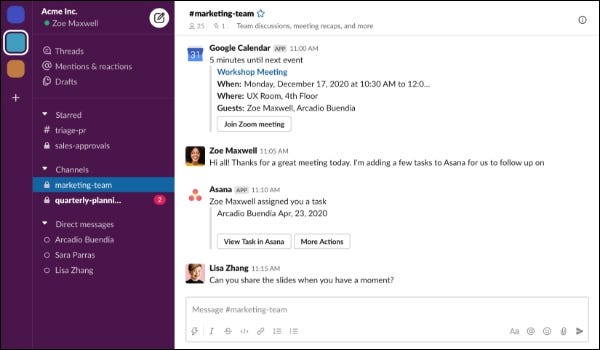
This goes mainly for small to medium-sized organizations. You must have an agenda in your internal communication plan that discourages the use of emails for daily work-based transmissions and reporting.
Do you know why I insist on that?
Because every Tom, Dick, and Harry knows your official email addresses and sends you thousands of promotional, sales-y messages daily. Every app you sign up for sends notifications, verification emails, newsletters, and whatnot!
Now see this message:
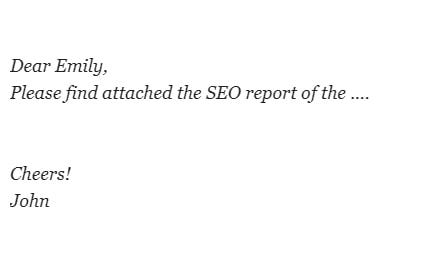
This message is important. But amidst the stockpile of garbage promotions and updates, Emily might just miss reading it.
Day-to-day internal communications should be carried out over a company’s private messaging apps like Slack, Discord, Google Hangouts, or Hives. Most of these apps have excellent internal communication features like quick video calling, voice messaging, digital whiteboards, and more.
Example IRL: Pickcel
At Pickcel, we have a hybrid workforce with employees from all four corners of the world. For our daily internal communications, our teams use Slack. This allows us quick resolution of problems and space for collaborative brainstorming, easy transfer of files, and timely birthday & meeting reminders. We can create multiple chat rooms with different teams for discussions on different projects.
2. Incorporating infographics, videos & microlearning
If your internal comm materials are overflowing with words, you must change your approach. In this busy age, expecting employees to read prosaic messages is as good as asking them to keep financials noted on a physical ledger. Studies have shown that people retain 95% of video messages compared to only 10% of textual communications.
Originally Published as What should your organization’s internal communication strategy look like? on Pickcel Digital Signage Blog

Comments
Post a Comment